This walk explores the rich historical geography of the lower Clyne Valley, tracing how industry, transport, and wartime defence have shaped the landscape.
The walk route visits the sites of several former collieries and the remains of three historic railway lines that once carried coal and materials through the valley. Along the way, walkers will also hear about the former Clyne Valley racecourse, a reminder of the valley’s changing recreational use. The walk continues to features linked to the Second World War Gower Stop Line, where defensive structures once formed part of Britain’s coastal protection network. A stop at the former claypit reveals the industrial past of the Clyne Valley Brickworks, alongside discussion of the valley’s Carboniferous geology, which provided the raw materials for its industries.
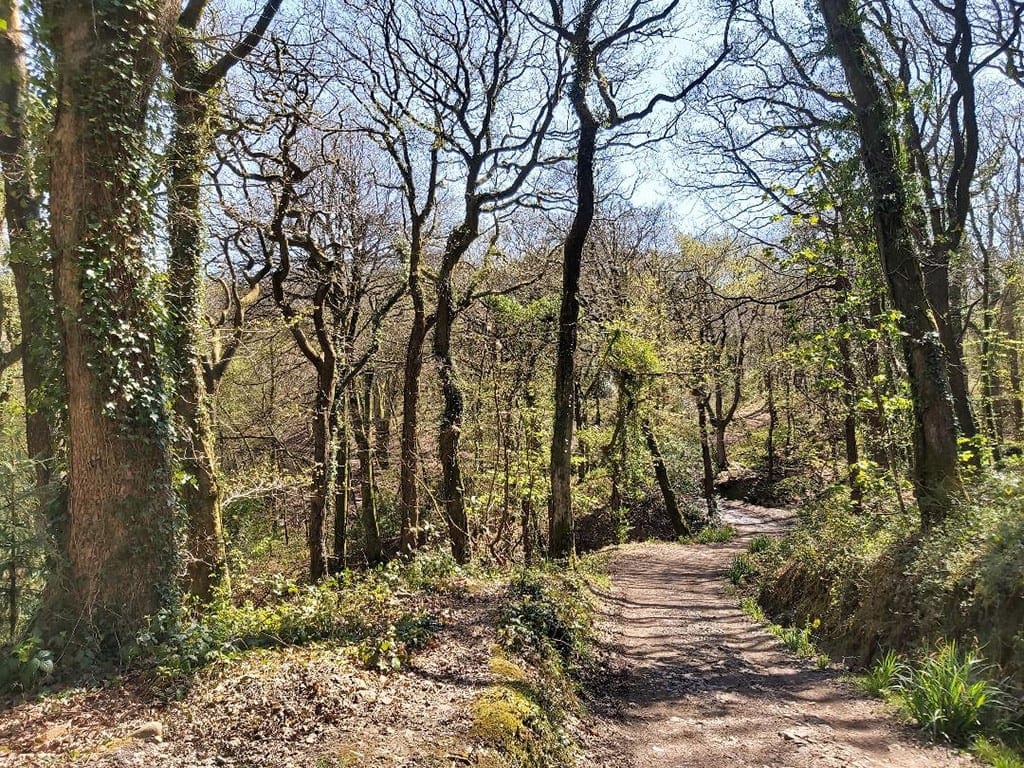
The going is generally easy for a fit person but there are two flights of steps to climb as well as two hills, one short but steep tarmacked hill path and one longer climb over rough, muddy paths. Walkers may also have to step over or duck under fallen trees along the pathways. Mud is a common feature during September, and sturdy walking boots and hiking poles are recommended. Walkers should bring waterproof clothing, an extra thermal layer together with a drink and walking snacks.
Toilets are available approximately at the halfway point and finish.
The walk is not suitable for children.
The walk is not suitable for dogs.
The walk will be lead by volunteers from the Clyne Valley Community Project (CVCP). The CVCP supports path maintenance work, habitat management and heritage preservation, promoting biodiversity, community involvement and improved public access to the Clyne Valley Country Park.